Investigations by Priyanka Bansal, Sarah Doherty, Alexander Lewis, Xiaoyu Li, and Margaret Shepherd
rutgers international students at a loss
The coronavirus outbreak has stranded thousands of international students at Rutgers University in empty dormitories and fearful towns in New Jersey. Many of those overseas students want to flee back to their home country. But standing in their way, a Rutgers student I-team found, not only the dangers of the pandemic, but the greed of the international airline industry and the failure of Rutgers officials to address the special needs of those very overseas students the university has avidly recruited for years.
The extremely high risk of infection during airplane flights and the fear of imported cases have made the return journey for international students more difficult than usual. Many normally make plane reservations several months in advance. There is a huge demand for international tickets and a shortage of flights.
is a chemistry student in her last semester

mary qing
On March 14, the day the school to shut down early for Spring Break, Qing bought an airline ticket from Newark to Shanghai for April 4th. At that time, it only cost $800 for a one-way ticket.
On the morning of April 4th, Qing arrived at the airport early. She brought two large suitcases up to 50 pounds with her, preparing for an upcoming extended summer break. Just five minutes before boarding she was told that there was no ticket. She and 60 other passengers were suddenly stranded at the airport, totally lost and shocked.
Qing turned to the staff and asked for an explanation, but only received the phone number of customer service, which remained disconnected.
“I’m pretty sure they overbooked economy,” said Qing. “Even though the original flight still had seats available, only people with high-price tickets can board.”
According to the Air Transport Association, the general passenger load factor of airlines is controlled within 95%. During the epidemic period, some airlines introduced a plan to control the passenger load factor of inbound flights within 75%, which causes overbooking and generates profits for airlines.
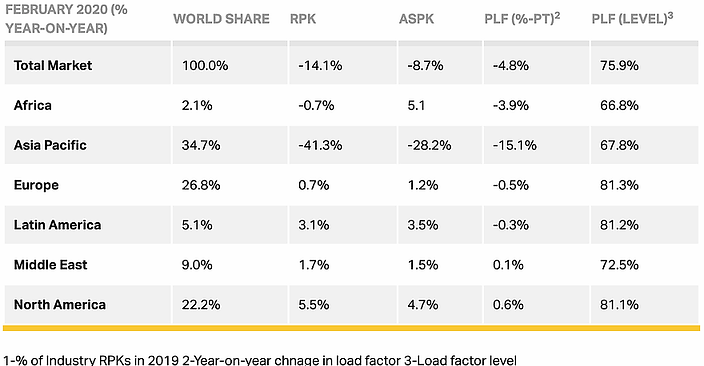
asianaviation.com
Qing desperately checked the tickets online, trying to book another flight. It turned out that the earliest flight would be on May 30th, and even the economy class had soared to $2,800. Qing had no choice but temporarily went to her friend’s house and waited for airlines. She finally got a notice that there are available seats on another flight and left the ground 36 hours later.
“ Virtually all flights to and from China have been canceled as Beijing tries to keep infected travelers from reigniting the contagion there,” said Meng Yu, an Air China’s administration staff, “remaining seats are breathtakingly expensive. ”
yike wang
is a business student in her last semester

Yike Wang was stranded in the Livingston campus apartments for 20 days after her flight to Beijing was canceled.
According to Cirium.com, international scheduled flights to and from China between January 1st and March 29th were down 58% with only 116,187 flights actually flown out of 269,515 originally scheduled. Total international flights impacted in this period were 153,328 flights, to and from China. Data from other countries including South Korea, Japan, Italy, and Iran tell the same thing.
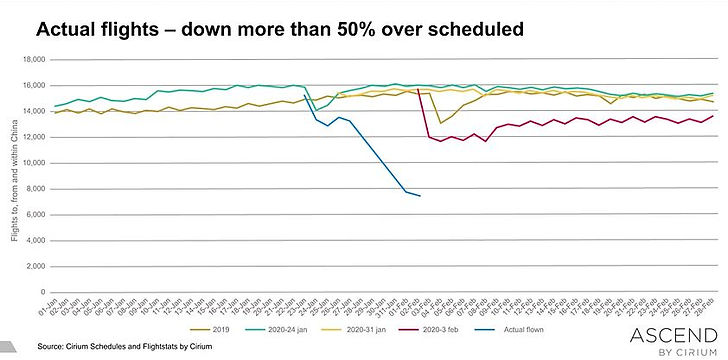
With strict entry restrictions on international travelers, the vast majority of international flights have been suspended. With the latest news that China is to ban international arrivals as the country, some travelers are rushing to book last minute flights.
Flight prices have increased by as much as 150% since March 1 according to
googleflights.com. Analysis from the Chinese booking website Trip.com has shown that many economy class fares are selling for the price of business class seats.
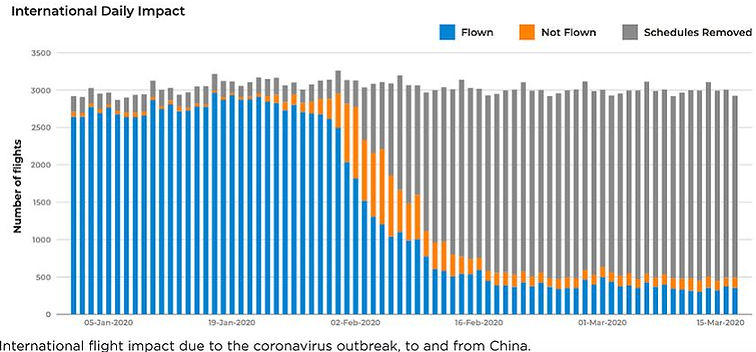

After the school officially announced it was shut-down, Wang immediately used all her budget and bought a $900 direct flight ticket back to China. Just three days before boarding, her flight was canceled, and it takes more than 2 weeks to get a refund. And when the Chinese government slashed international flights even further, the price went up to an astonishing $18,000.
cirium.com

*128,601 yuan = 18,371 USD
“I feel very depressed,” said Wang, “I cannot afford any tickets right now. Airlines and policy destroyed my life. Watching the price going up every day makes me anxious and depressed. I don’t feel like study and I stay up late doing nothing.”
Qing and Wang's experiences were those of many other foreign students. Rutgers officials, however, worsened the situation these stranded students’ are faced with.
is an HR and psychology student in her second year

amy lee
Amy Lee, who originally lived at the Easton Avenue apartments, has moved to the Livingston apartment due to the school’s latest policy. Rutgers University has asked students to remove their belongings from residence halls by April 14, so the dorms and apartments possibly can be used to meet needs created by the coronavirus outbreak.
State Health Commissioner Judith Persichilli previously indicated dorms and hotels could house symptomatic individuals who would have tested positive with moderate symptoms. Rutgers provided transportation and assistance for this move-out.
“I think it’s quite inconvenient for all of us,” said Lee. “All our mailing addresses had to be changed. Since we live on campus now, our packages can only send to the post office.”
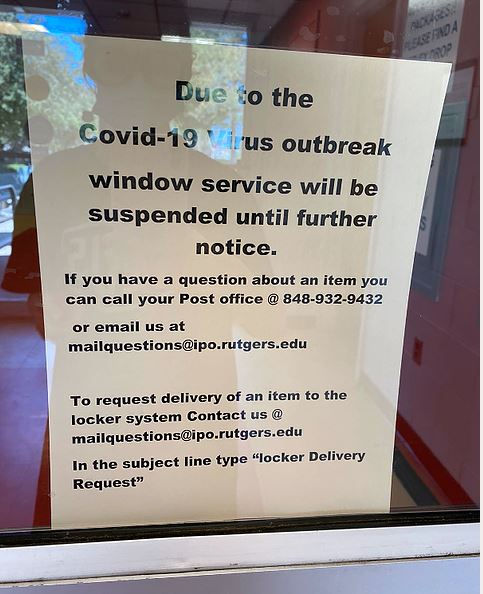
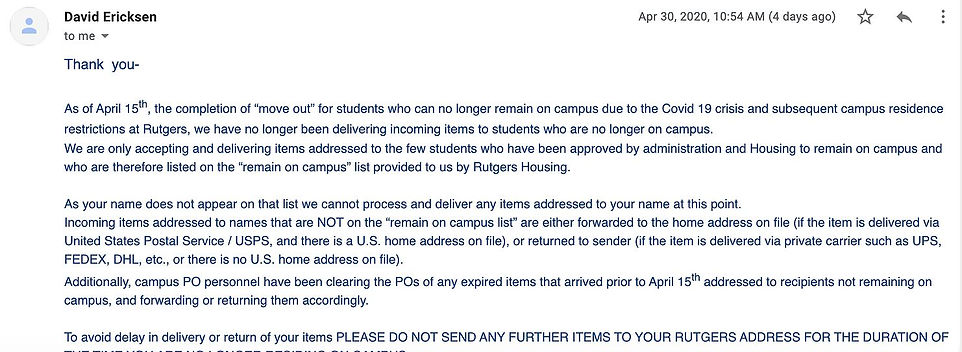
Lee also mentioned that there are not enough staff dealing with packages, causing a huge delay in collection. She ordered some life essentials online which have been delivered more than a week ago, but she hasn’t yet received any emails from the school. Lee's roommate is even refused to use the school's mail service due to the reason that her name is not on the list of eligible students. An email from David Ericksen, one of the staff from Rutgers post office illustrates that the service only provides to the few students and those items of whose names are not on the list will be rejected and returned to the sender.
Along with those international students who are struggling with current life, those who have already returned home country are also struggling to find a life balance.
is a first-year student
andy kim

Andy Kim is currently quarantined with his family in Seoul. He is amongst those early birds who bought the ticket on March 21st. After an eighteen-hour long journey, Andy successfully arrived in Korea and began the rest of his semester on the other side of the Pacific Ocean.
At first, Andy felt great. Even though he was quarantined, he could enjoy Korean food and stay with his lovely dog. But after jet lag had passed, he found that remote study can be horrible for students in different time zone.
“My biological clock is totally messed up,” said Kim. “most of my courses are during the afternoon of American time, which means I have to stay up all night to have those meetings.”
Kim also said the craziest thing is that he has to take an exam during sleep time, which largely affects his performance.
“My brain just stopped working. I felt super exhausted and dizzy,” said Kim. “And my professor refused to extend the time slot for taking the exam. He is worried about plagiarism.”
Kim hopes that this would be his last semester of remote study and he wants to get back to normal life.